Aluminium Profiles For Textile
Product Details:
- Grade 6063, 6061, 6082
- Thickness 0.9 mm to 3 mm
- Temper T5, T6
- Process Extruded
- Tensile Strength 180-220 MPa
- Hardness 60-90 HRB
- Surface Treatment Anodized, Powder Coated, Polished
- Click to View more
X
Aluminium Profiles For Textile Price And Quantity
- Excellent
- Textile Machinery and Equipment
- Silver, Customized
- Smooth, Matte or Glossy
- 2.71 g/cm
- Standard up to 6 meters or customized
- High
- AP-TEXT-2024
Aluminium Profiles For Textile Product Specifications
- 0.9 mm to 3 mm
- Aluminium
- T5, T6
- 6063, 6061, 6082
- 60-90 HRB
- Extruded
- 180-220 MPa
- Anodized, Powder Coated, Polished
- Yes
- Rectangular, Square, Round, Custom
- Excellent
- Textile Machinery and Equipment
- Silver, Customized
- Smooth, Matte or Glossy
- 2.71 g/cm
- Standard up to 6 meters or customized
- High
- AP-TEXT-2024
Product Description
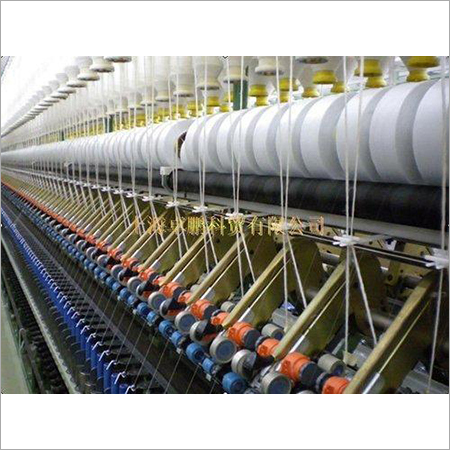
The traditional material for manufacturing textile machinery is steel, but slowly and steadily aluminium is replacing steel because of its light weight and ability to increase the life of textile machines. Aluminium is today used in making most of the textile machinery parts and components, including the base plates. This material is also helpful in improving the productivity, as aluminium is light in weight and corrosion resistant; also allow better movement of raw material, like silk and cotton.
End use applications
- Aluminium profiles for textile weaving machine
- Aluminium profiles for spinning machine
- Aluminium profiles for textile printing machine
- Aluminium profiles for segregation machine
- Packing material
Precision Engineering for Textile Solutions
Our aluminium profiles are designed specifically for textile machinery, ensuring a perfect balance between strength and versatility. With excellent density, impressive tensile strength, and adaptable profiles, they meet the rigorous demands of textile operations, facilitating reliable performance and longevity.
Tailored Options to Fit Diverse Needs
Choose from a wide array of shapes, sizes, and finishes to suit various machinery and equipment layouts. We provide profiles in rectangular, square, round, or custom forms, with surface treatments like anodizing, powder coating, or polishing, matching the required aesthetics and functional needs of modern textile production lines.
FAQs of Aluminium Profiles For Textile:
Q: How are aluminium profiles used in textile machinery and equipment?
A: Aluminium profiles serve as structural and mechanical components within textile machinery, providing lightweight yet strong frameworks, support brackets, housings, and guides. Their customizable shapes and finishes ensure compatibility with specific machine designs, enhancing equipment efficiency and durability.Q: What are the available shapes and finishes for these aluminium profiles?
A: These profiles can be manufactured in rectangular, square, round, or fully custom shapes. Customers have the choice of finishes such as smooth matte, glossy, or specialized colors, achieved via anodizing, powder coating, or polishing to meet varied aesthetic and functional requirements.Q: When should I opt for customized lengths or thicknesses?
A: Customized lengths and thicknesses are ideal when standard profiles do not fit your machinerys precise specifications. This flexibility supports seamless integration into unique equipment setups, optimizing structural performance and minimizing material waste.Q: Where do you export and supply these aluminium profiles from?
A: We are based in India, serving as exporters, manufacturers, and suppliers of aluminium profiles for textile use both domestically and internationally, ensuring reliable distribution to textile machinery manufacturers and related businesses worldwide.Q: What is the manufacturing process for these aluminium profiles?
A: The profiles are produced through a precision extrusion process using quality aluminium alloys like 6063, 6061, and 6082. After extrusion, they can undergo surface treatments such as anodizing, powder coating, or polishing for enhanced appearance and protection against corrosion.Q: How does the corrosion resistance benefit textile machinery?
A: High corrosion resistance ensures that the profiles maintain integrity when exposed to humid or chemically aggressive textile production environments. This prolongs machinery lifespan, reduces maintenance frequency, and supports consistent operational efficiency.Q: What advantages does aluminium offer over other materials in textile equipment?
A: Aluminium offers a superior strength-to-weight ratio, excellent machinability, and resistance to corrosion compared to many other materials. This results in easier handling, installation, and long-term reliability for textile machinery parts.Tell us about your requirement

Price:
Quantity
Select Unit
- 50
- 100
- 200
- 250
- 500
- 1000+
Additional detail
Mobile number
Email

Other Products in 'Extruded Products' category

Contact Details
VINAYSHREE METAL INDUSTRIES
GST : 06AAPFV2182B1Z7

- Killa No 11, Kurar Road, Bapoli,Panipat - 132103, Haryana, India

- Send Inquiry
- Mr. Vivek Jain / Mr. Anshul Jain (Director)
Mobile : 09896911102, 09041333318
 Send Inquiry
 Send Inquiry
 Send SMS
 Call Me Free
|



 |
VINAYSHREE METAL INDUSTRIES
All Rights Reserved.(Terms of Use) Developed and Managed by Infocom Network Private Limited. |
