
Aluminium Profiles For Electrical & Electronics
Product Details:
- Grade 6063, 6005, 6061 or as required
- Temper T5, T6
- Hardness 60-80 HB
- Tensile Strength 150 MPa
- Surface Treatment Anodized, Powder Coated, Mill Finished
- Thickness 0.8 mm 6.0 mm
- Alloy 6063, 6005, 6061
- Click to View more
X
Aluminium Profiles For Electrical & Electronics Price And Quantity
- ASTM, EN, DIN standards
- Standard 6 Meter or as per requirement
- Excellent
- High electrical conductivity
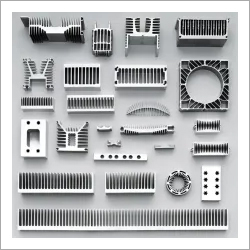
- Electrical panels, enclosures, heat sinks, busbars, electronic equipment chassis
- Silver, Black, Custom colors available
- 0.10 mm
- Excellent
- Available
- Matte/Glossy as required
Aluminium Profiles For Electrical & Electronics Product Specifications
- Aluminium
- 0.8 mm 6.0 mm
- Extrusion
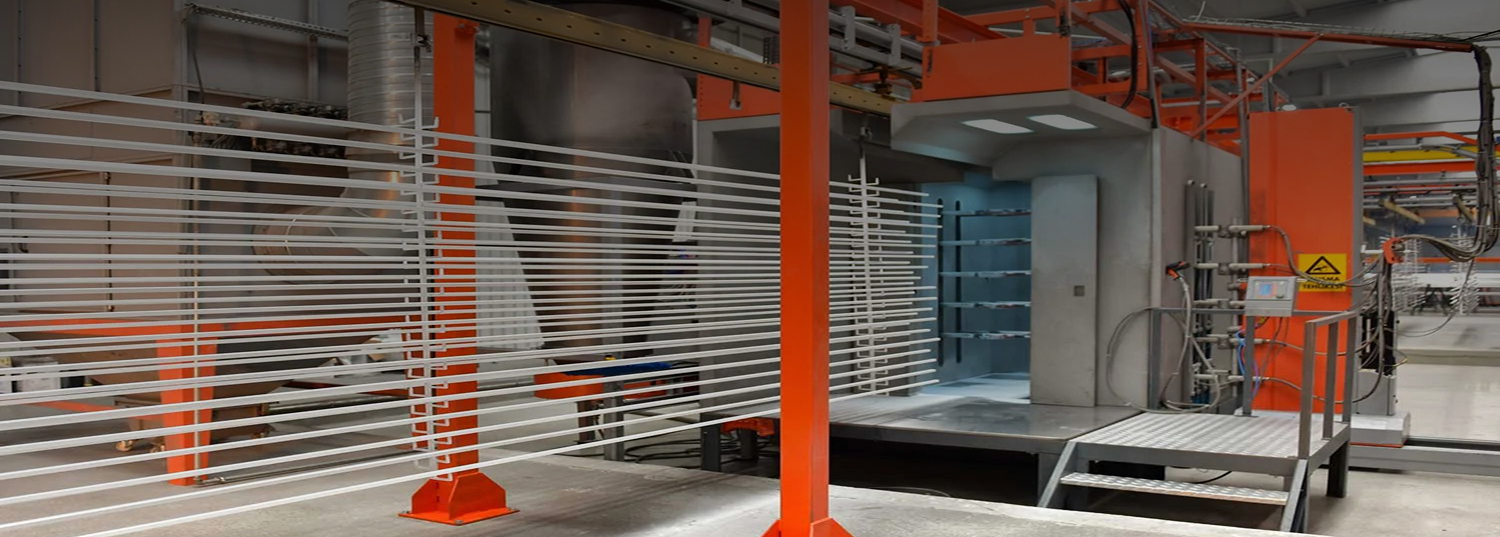
- Anodized, Powder Coated, Mill Finished
- 150 MPa
- 60-80 HB
- T5, T6
- 6063, 6005, 6061
- 6063, 6005, 6061 or as required
- Profile (Various shapes available)
- ASTM, EN, DIN standards
- Standard 6 Meter or as per requirement
- Excellent
- High electrical conductivity
- Electrical panels, enclosures, heat sinks, busbars, electronic equipment chassis
- Silver, Black, Custom colors available
- 0.10 mm
- Excellent
- Available
- Matte/Glossy as required
Product Description
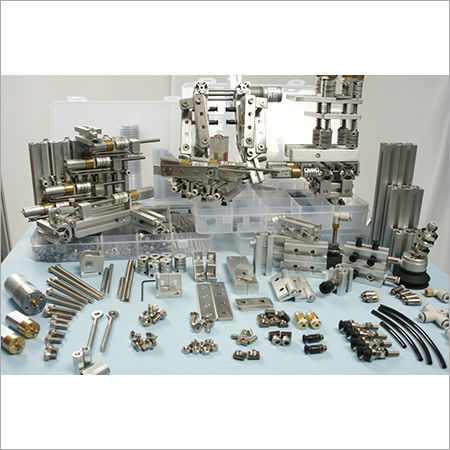
Aluminium extrusion is light weight and has design flexibility and heat dissipation qualities, which is why highly demanded for use in consumer electronics and electrical products. Extruded aluminium products are used in many different electrical and electronic appliances for both, electrical and mechanical purposes.
End use applications
- Panel body & speedometers
- Aluminium profiles for computers
- Aluminium profiles for led & lighting solution
- Aluminium profiles for heat sink
- Aluminium profiles for heat deception & systems
- Aluminium profiles for electrical & electronics enclosures
Adaptable Designs for Multiple Electronic Applications
Our aluminium profiles are designed to cater to a broad spectrum of uses including electrical panels, heat sinks, and busbars. Customizable in length, shape, thickness, and surface finish, these profiles satisfy diverse functional and design requirements in the electrical and electronics sector.
Precision and Quality Assurance
Manufactured through advanced extrusion processes, we ensure tight tolerances (0.10 mm) and adhere to international quality standards (ASTM, EN, DIN). Our commitment to quality guarantees reliability, durability, and performance in critical applications.
Excellent Conductivity and Corrosion Resistance
Utilizing top-grade aluminium alloys such as 6063, 6005, and 6061, our profiles deliver outstanding electrical conductivity and superior corrosion resistance, making them ideal for demanding environments where stability and performance are paramount.
FAQs of Aluminium Profiles For Electrical & Electronics:
Q: How are aluminium profiles for electrical and electronics typically manufactured?
A: These aluminium profiles are produced via an advanced extrusion process, allowing for precise thickness and complex shapes. Post-processing treatments such as anodizing or powder coating enhance corrosion resistance and finish, ensuring suitability for electrical applications.Q: What are the available customization options for these profiles?
A: We provide extensive customization options, including different lengths (standard 6 meters or as required), various profile shapes, choice of alloy and temper, thickness between 0.8 mm and 6.0 mm, and finishes in matte or glossy. Color can be specified as silver, black, or any custom selection.Q: When should I opt for aluminium profiles with high electrical conductivity?
A: Aluminium profiles offering superior electrical conductivity are essential in applications like busbars, heat sinks, or chassis, where efficient energy transfer and minimal power loss are critical.Q: Where can these aluminium profiles be used within electrical and electronic setups?
A: These profiles are extensively used in the construction of electrical panels, protective enclosures, heat dissipating components, busbars, and electronic device chassis, thanks to their versatility and mechanical strength.Q: What standards and grades do these profiles comply with?
A: Our profiles are produced using grades 6063, 6005, and 6061 (per ASTM, EN, and DIN standards), ensuring mechanical stability, excellent hardness, and reliable tensile strength for demanding industrial environments.Q: How does the finish or surface treatment benefit the end application?
A: Anodized, powder-coated, or mill finishes not only improve corrosion resistance and durability but also enhance the appearance and longevity of the profiles, making them well-suited for indoor and outdoor electrical components.Q: What are the main benefits of using these aluminium profiles in electronic equipment?
A: Key advantages include versatility in design, excellent machinability, high conductivity, robust corrosion resistance, and compliance with stringent international standardsmaking them a reliable choice for manufacturers and system integrators.Tell us about your requirement

Price:
Quantity
Select Unit
- 50
- 100
- 200
- 250
- 500
- 1000+
Additional detail
Mobile number
Email

Other Products in 'Extruded Products' category


Contact Details
VINAYSHREE METAL INDUSTRIES
GST : 06AAPFV2182B1Z7

- Killa No 11, Kurar Road, Bapoli,Panipat - 132103, Haryana, India

- Send Inquiry
- Mr. Vivek Jain / Mr. Anshul Jain (Director)
Mobile : 09896911102, 09041333318
 Send Inquiry
 Send Inquiry
 Send SMS
 Call Me Free
|



 |
VINAYSHREE METAL INDUSTRIES
All Rights Reserved.(Terms of Use) Developed and Managed by Infocom Network Private Limited. |
