Product Description
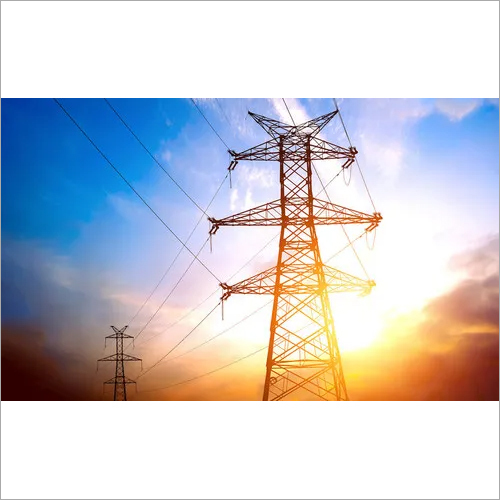
Aluminium extrusion is used in transmission segment given to its electrical conductivity. Aluminium is better than copper in terms of cost and weight. Aluminium is preferred over other material for uses in electricity transmission and distribution. Aluminium extrusions are used by Power grid, NTPC, GE, Siemens, Schneider, BHEL, ABB, and other customers for several applications such as switch gears, control panels, power sub stations, etc.
End use applications
- Aluminium profiles for electrical substation & power transmission
- Aluminium profiles for switchgear
- Aluminium profiles for control panels
- Bus bar & bus ways
- Aluminium profiles for lugs
- Aluminium profiles for transformer
Tailored Dimensions and ShapesAluminium Profiles for T&D applications are available with lengths up to 6 meters or as custom specified, and widths designed per client needs. Shapes such as flat, angle, channel, and T-section are fully customizable to suit unique installation requirements, ensuring optimal fit and utility across multiple power distribution projects.
Excellent Electrical and Mechanical PropertiesThe profiles exhibit high electrical conductivity, lightweight structure (density ~2.7 g/cm), and notable tensile strength (150300 MPa), thanks to superior aluminium alloys of the 6000 series. Brinell hardness ranges from approximately 60 to 95 HB, making these profiles a reliable choice for demanding environments.
Diverse Surface Treatments and FinishesSurface treatment options like mill finish, anodized, and powder coated are available, offering smooth or textured finishes in metallic silver or custom colors. Each profile receives standard export packaging to safeguard quality during shipment, ensuring products arrive ready for deployment.
FAQs of Aluminium Profiles For Transmission & Distribution:
Q: How are Aluminium Profiles for Transmission & Distribution fabricated and supplied?
A: These profiles are manufactured using advanced extrusion, cutting, and fabrication processes, following ASTM B221 and EN 755 international standards. They are supplied in standard export packaging with customizable lengths, widths, shapes, and finishes to meet specific project requirements.
Q: What makes aluminium profiles suitable for electrical power lines and T&D applications?
A: Their high electrical conductivity, lightweight nature, and excellent corrosion resistance due to a natural oxide layer make aluminium profiles ideal for use in transmission & distribution systems and power lines, where efficiency and durability are crucial.
Q: When should custom dimensions or shapes be specified for aluminium profiles?
A: Custom lengths, widths, and shapes should be specified during the planning phase to ensure the profiles fit precisely within the intended electrical infrastructure. This guarantees optimal alignment, safety, and efficiency in installation and operation.
Q: Where are these aluminium profiles commonly used in infrastructure projects?
A: They are primarily deployed in electrical transmission and distribution networks, supporting power line hardware and structures, but can also be applied in other industries demanding high conductivity and corrosion-resistant components.
Q: What surface treatments are available, and how do they benefit the profiles?
A: Available surface treatments include mill finish, anodizing, and powder coating. These enhance the profiles appearance, further improve corrosion prevention, and allow for smooth or textured finishes in standard metallic silver or custom colors as needed.
Q: How does the choice of alloy and temper impact the properties of the profiles?
A: Aluminium alloys from the 6000 series, combined with tempers like T4, T5, or T6, determine the mechanical strength, hardness, and conductivity. Selecting the appropriate grade and temper ensures the profiles deliver optimal performance in specific application environments.
Q: What process ensures the profiles meet strict quality standards for T&D use?
A: Strict adherence to international standards such as ASTM B221 and EN 755 during the extrusion and fabrication process guarantees that the profiles consistently meet the mechanical, electrical, and dimensional requirements required for reliable performance in T&D projects.






 Send Inquiry
 Send Inquiry
 Send SMS